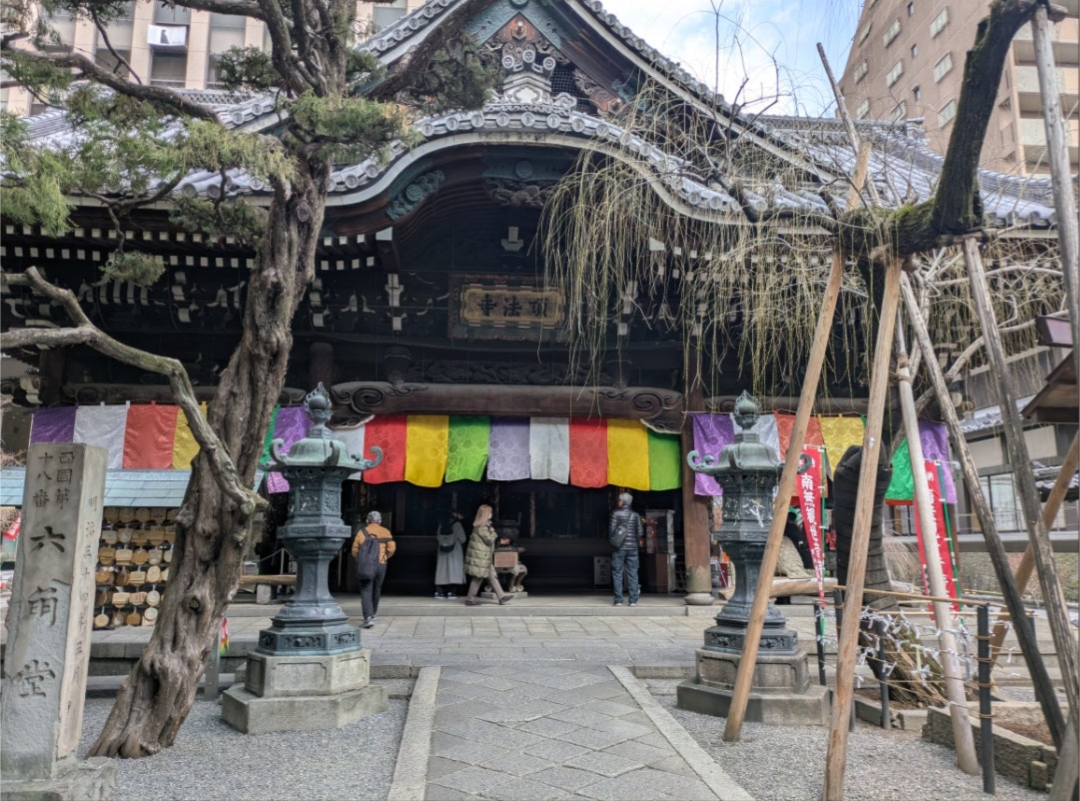

京都の中心部、烏丸御池からほど近い場所にある六角堂(正式名称:頂法寺)
高層ビルに囲まれながらも、古都の静けさを今に伝えるお寺で、聖徳太子ゆかりの地であり、いけばな発祥の地として有名です。
全国通訳士試験対策としても重要なポイントを整理し、外国人観光客に説明できる英語フレーズもご紹介します。
六角堂を理解する5つのポイント
創建と由来
六角堂は聖徳太子が西暦587年頃に建立したと伝えられています。
太子がこの地で如意輪観音のお告げを受け、堂を立てたのが始まりです。
Rokkakudo, officially called Choho-ji Temple, was founded arouond 587 AD by prince Shotoku. According to legend, he built the temple after receiving a divine message from Bodhisattva Nyoirin Kannon.
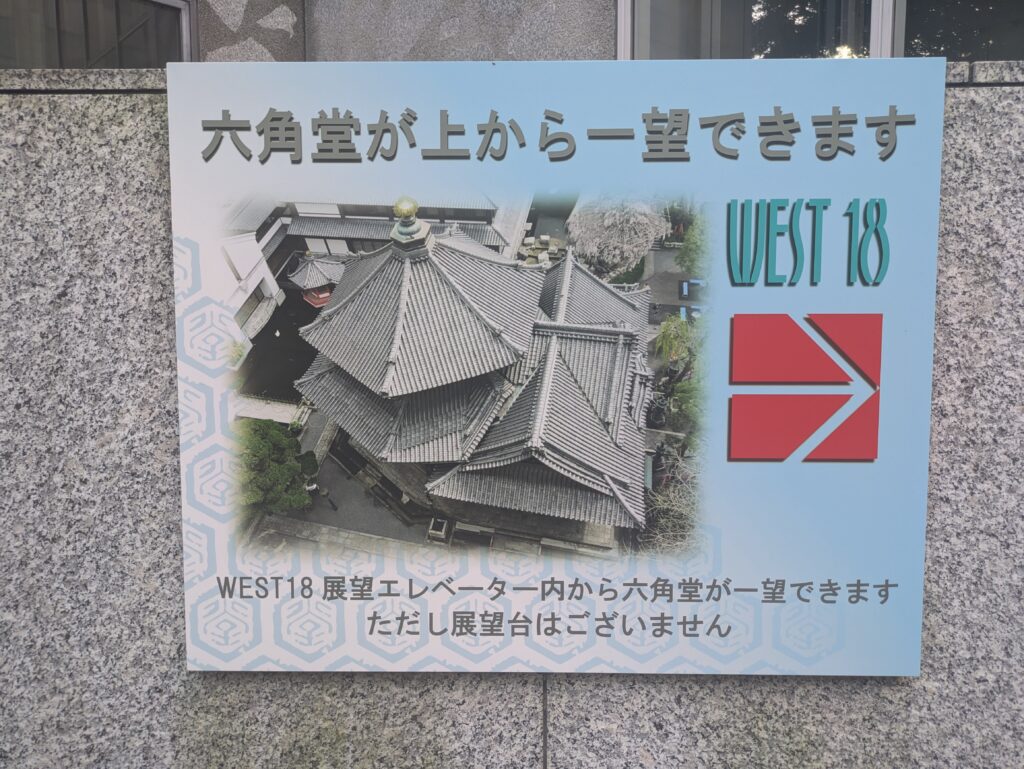
六角形の建物
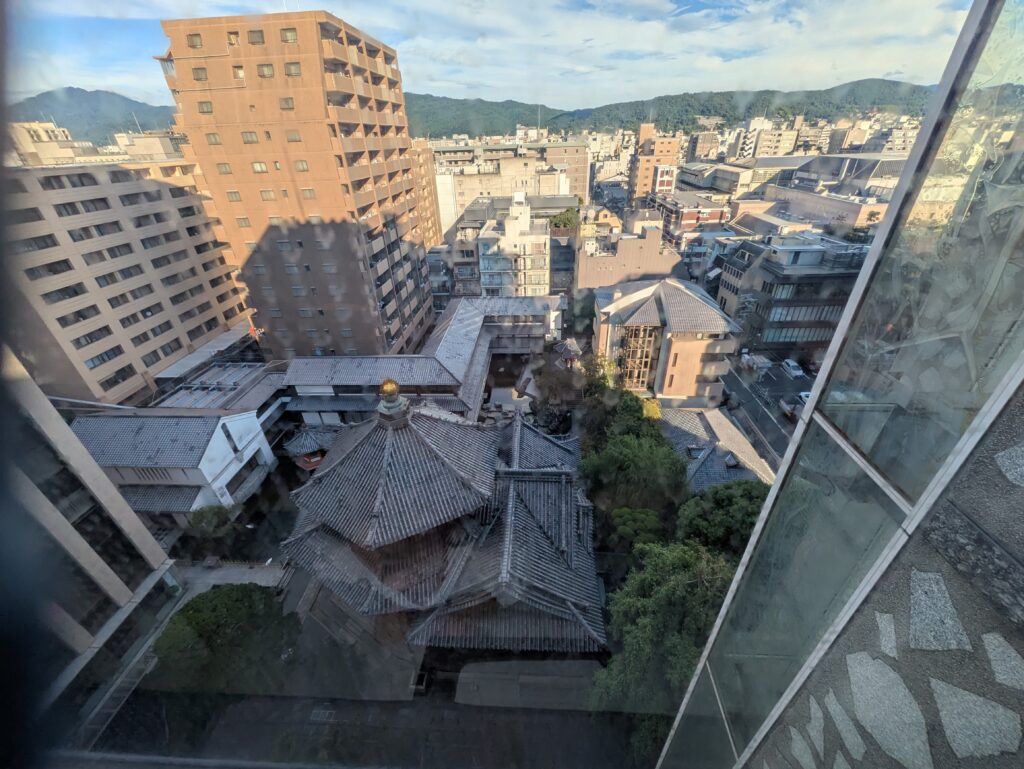
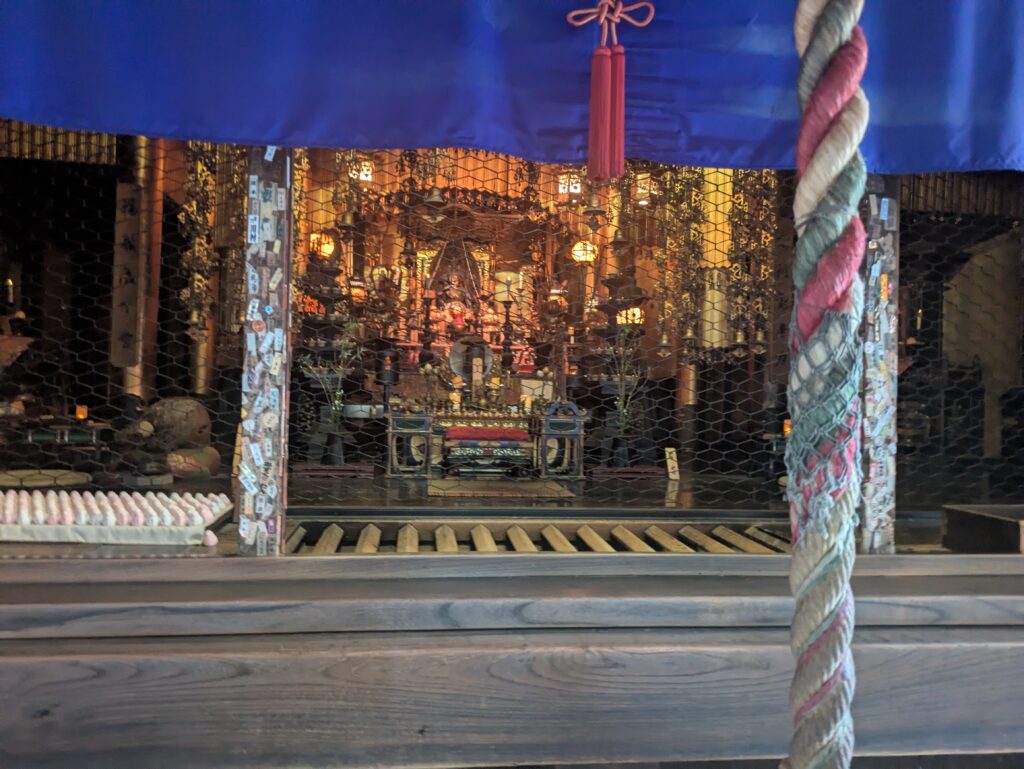
六角堂の本堂が六角形をしているのは、この寺の大切な信仰と教えをかたちにしたためです。六角の形は、仏教でいう「六根(眼・耳・鼻・舌・身・意)」にかかわる煩悩や執着を取り払い、心身を清めて円満になること――いわゆる六根清浄の願いを象徴しています。つまり、角(欲)をなくして「まるく」なることを祈る形なのです。さらに、本堂のご本尊は如意輪観音。如意輪観音は衆生の願いを叶え、苦しみを和らげる慈悲の仏さまで、六角の堂は観音の救いの心と結びつき、訪れる人に安らぎと祈りの場を提供しています。
The main hall of Rokkakudō is intentionally hexagonal — a form that expresses a central Buddhist ideal. The six sides represent the “six roots” (sight, hearing, smell, taste, touch, and mind), and the hexagon symbolizes the purification of these faculties — a letting-go of worldly desires so that one becomes calm and whole (a concept known as Rokkon Shōjō). In addition, the temple’s principal image is Nyoirin Kannon (the Wish-Fulfilling Wheel Kannon), a compassionate deity believed to relieve suffering and grant wishes. The hexagonal hall therefore unites the practice of inner purification with the merciful presence of Kannon, offering visitors a quiet place for reflection and prayer.
西国三十三所 第十八番札所・洛陽三十三所 第一番札所
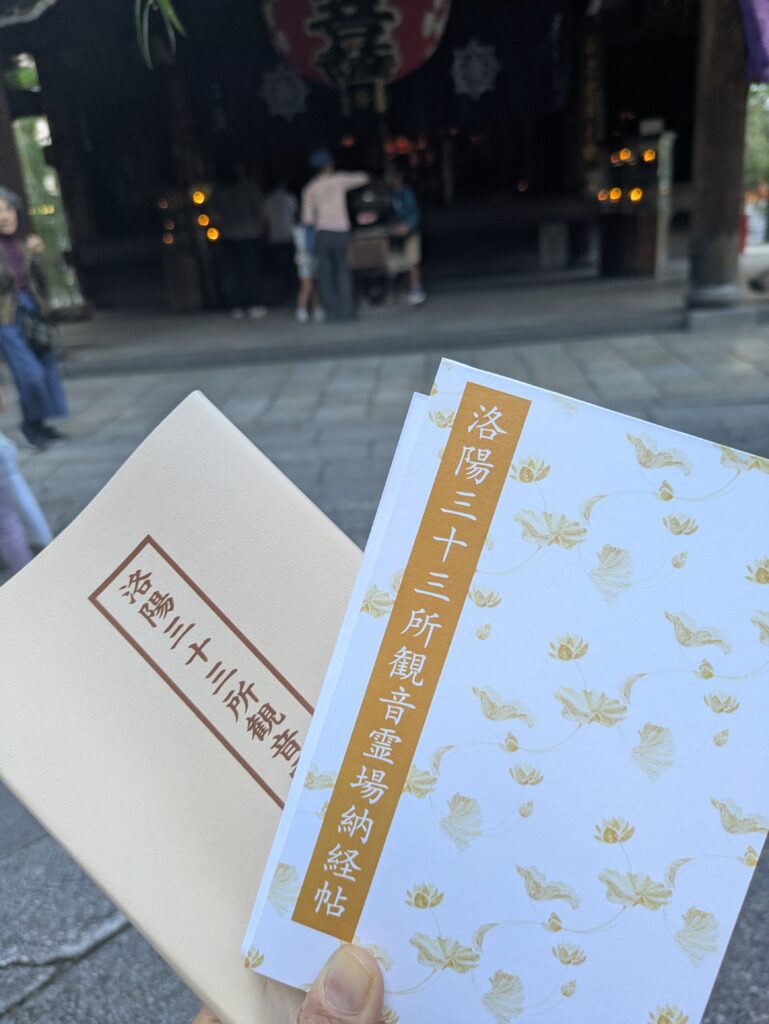
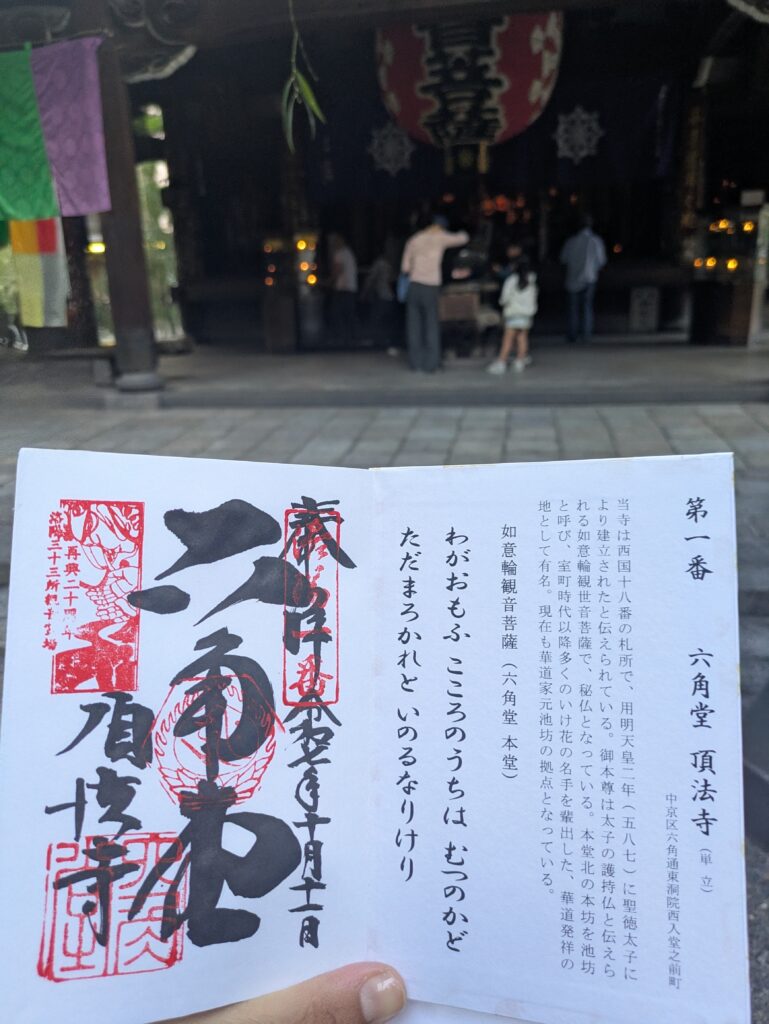
六角堂(頂法寺)は、西国三十三所観音霊場の第十八番札所として知られる古刹です。また、京都市内の観音霊場を巡る「洛陽三十三所観音霊場」では第一番札所にあたり、京都での巡礼の出発点として多くの参拝者が訪れます。西国三十三所は、日本最古の観音巡礼として近畿一円を巡る大規模な霊場巡り。一方、洛陽三十三所は京都市内を中心に札所が点在し、古都の風情を感じながら気軽に巡礼を楽しめることで人気があります。六角堂はその両方に名を連ねる、由緒深いお寺です。
Rokkakudō Temple, formally known as Chōhō-ji,is the 18th temple of the Saigoku 33 Kannon Pilgrimage,one of Japan’s oldest and most sacred Buddhist pilgrimage routes.It also serves as the first temple of the Rakuyō 33 Kannon Pilgrimage,a series of temples located throughout Kyoto City.As the starting point of this Kyoto-based pilgrimage,Rokkakudō welcomes countless visitors who come to pray for peace, health, and spiritual fulfillment.While the Saigoku route stretches across the Kansai region,the Rakuyō pilgrimage offers a more accessible journey through the ancient capital,allowing visitors to experience Kyoto’s deep Buddhist heritage and serene beauty.
へそ石(京都の中心)
境内にある「へそ石」は、京都の街の中心を示す石とされています。
古くから「京都のへそ」と呼ばれ、都の中心として大切にされてきました。
In the temple ground, there is a stone called “Heso-ishi”, or “Navel Stone”, which is said to mark the center of Kyoto.
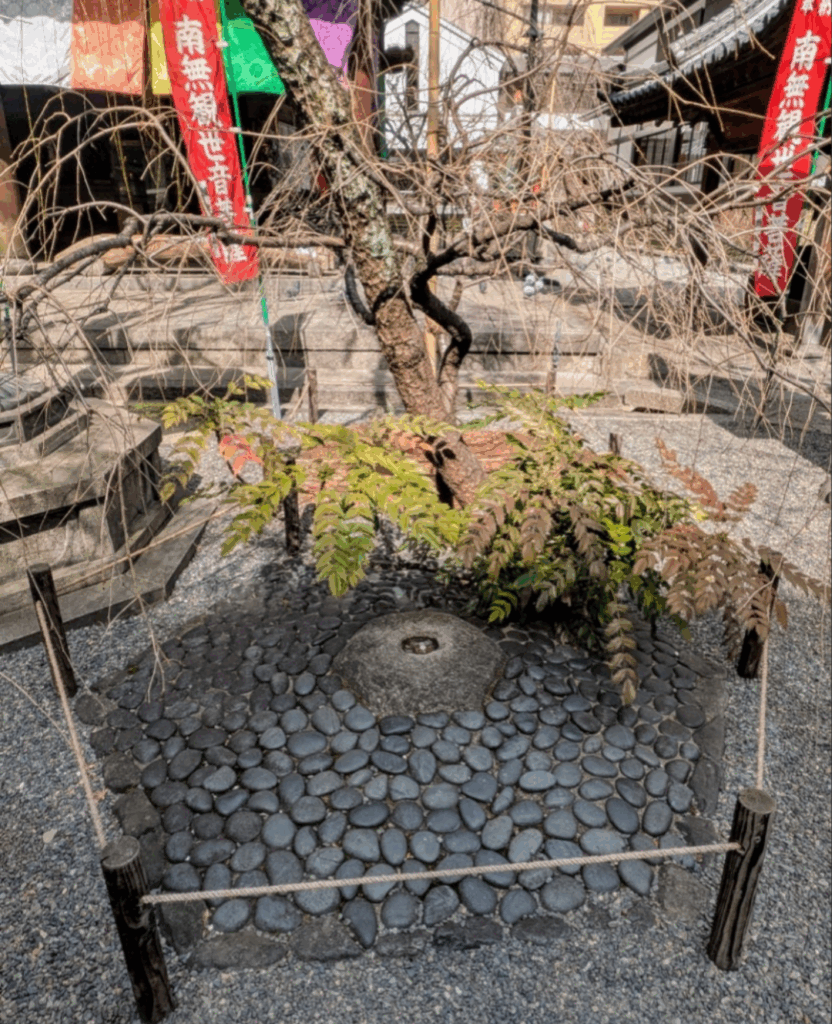
桓武天皇が793年に長岡京から平安京に遷都する際、六角堂の場所がちょうど道路の真ん中にかかっていたそうです。祈願すると、なんとお堂が自然に北へ少し動いたという伝説があり、その時、元の場所に残された石がこの「へそ石」なのです。
According to legend, when Emperor Kanmu moved the capital to Heian-kyō in 793,
the temple originally stood right in the middle of the planned road.
After the Emperor prayed, the temple is said to have miraculously moved about 15 meters north,leaving this stone behind at its original spot.
Because Rokkakudō lies near the very center of Kyoto, the stone is also known as “the Navel of the City.”
いけばな発祥の地
六角堂は、いけばなの発祥の地としても知られています。
室町時代(1336年〜1573年)は、日本で武士が力を持ち、京都では文化が大いに栄えた時代です。この時期に、寺院や貴族の間で花や庭園を美しく整える文化が広まりました。
その中で、華道の祖とされる 池坊専慶(いけのぼう せんけい) が六角堂で学び、花を美しく活ける技術を広めたことから、いけばなの歴史が始まったと伝えられています。
境内では、花々の美しさだけでなく、こうした長い歴史と文化の息吹を感じることができます。
六角堂は、歴史と日本文化の両方を体験できる場所です。
Rokkakudo Temple is also famous as the birthplace of Ikebana, the traditional Japanese art of flower arranging.
The Muromachi period (1336–1573) was a time when samurai held political power, and culture flourished in Kyoto. During this era, the art of arranging flowers and designing beautiful gardens became popular among temples and the aristocracy.
It was during this period that Senkei Ikenobo, regarded as the founder of the Ikenobo school, studied at Rokkakudo and spread the techniques of arranging flowers beautifully, marking the beginning of Ikebana history.
At the temple, visitors can enjoy not only the beauty of the flowers but also the rich cultural and historical atmosphere.
Rokkakudo offers a unique experience where history and Japanese culture come to life.
六角堂のご利益と季節のみどころ
ろうそくの意味
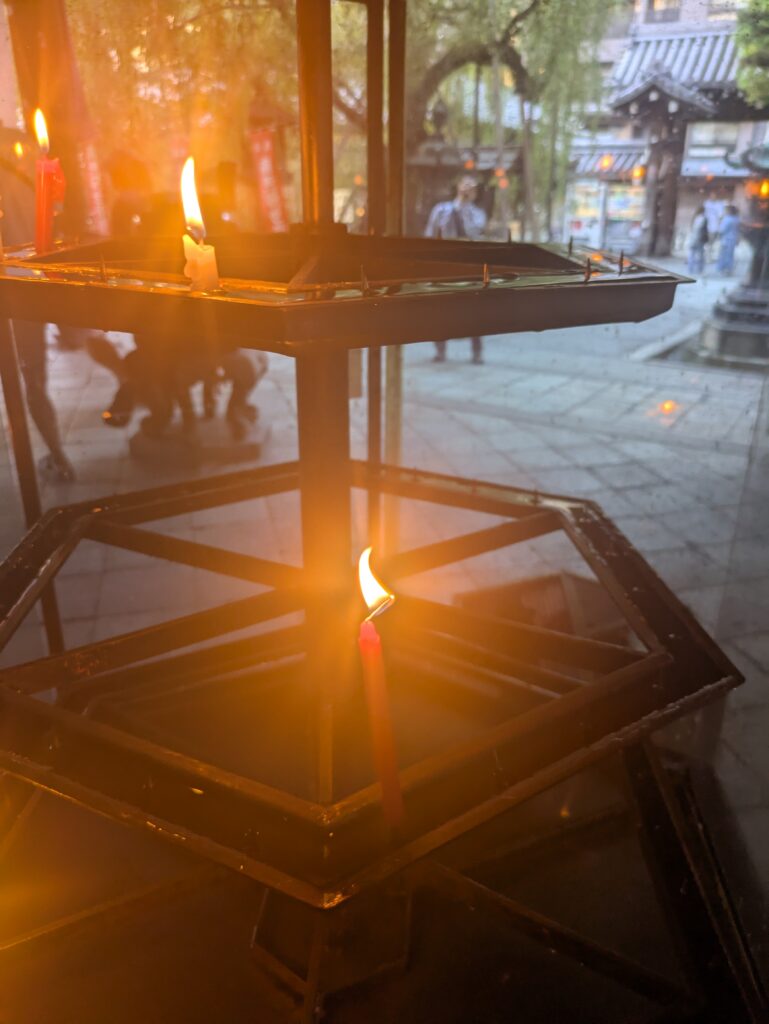
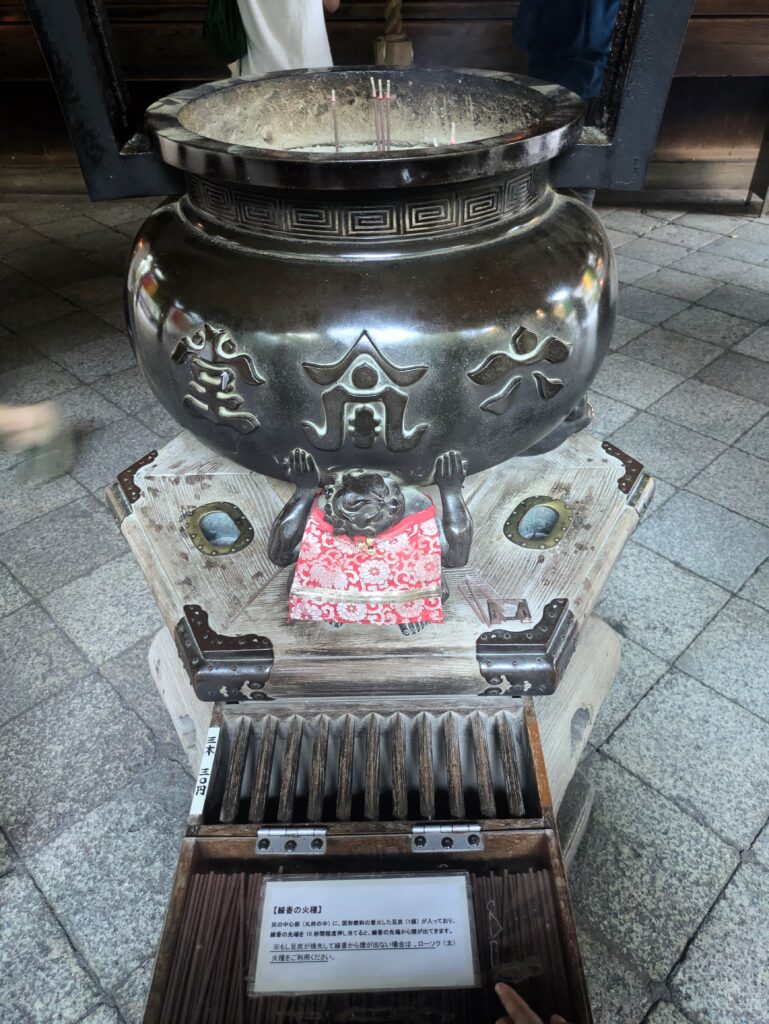
六角堂では、多くの参拝者がろうそくに火を灯す光景を目にします。
このろうそくの火には、ただの明かり以上の意味があります。
ろうそくの光は、心の迷いや悩みを照らし、願いごとを仏さまに届ける象徴です。
また、灯すことで自分自身の心を清め、前向きな気持ちを取り戻すとも考えられています。
参拝の際は、ろうそくに火を灯しながら、心の中で願いをそっと込めてみてください。
※ろうそくは2本200円です。
At Rokkakudo Temple, you will often see visitors lighting candles as part of their prayers.
The candlelight carries a meaning far beyond simple illumination.
It symbolizes guiding your heart through worries and difficulties, and sending your wishes to the Buddha.
Lighting a candle is also believed to purify the mind and help bring a sense of calm and positivity.When you visit, try lighting a candle and silently offering your wishes.
※The candles are sold in pairs for 200 yen.
一言願い地蔵
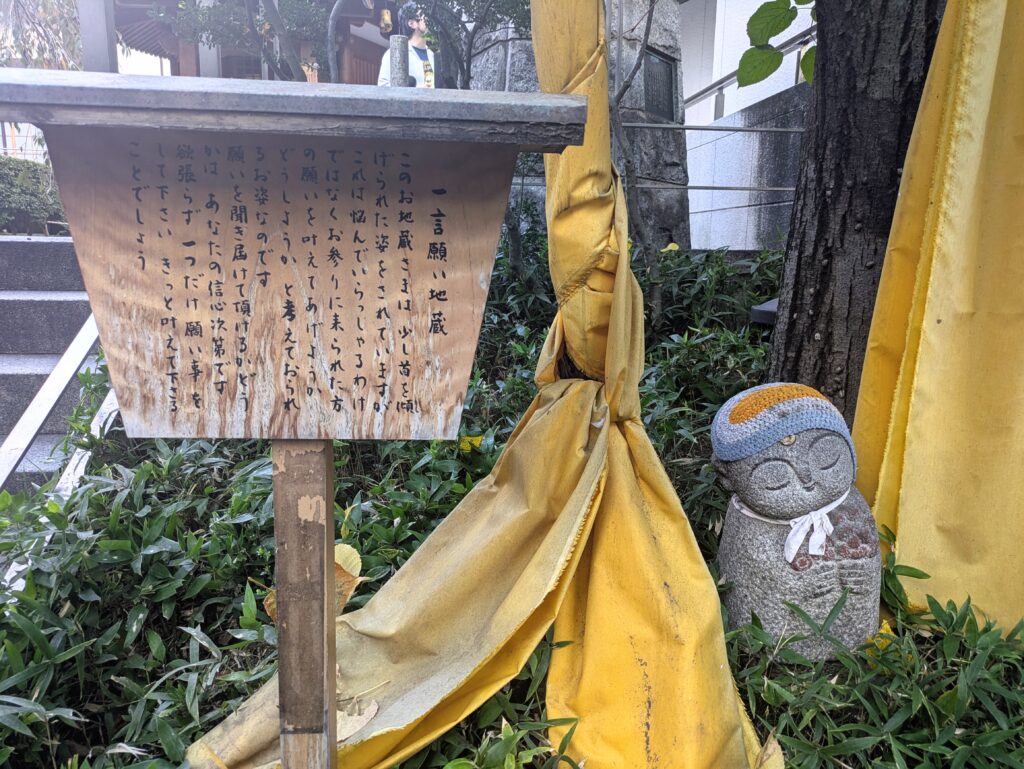
少し首を傾けられたお地蔵様。悩んでおられるわけではなく、お参りに来られた方のお願いを叶えてあげようかな、どうしようかな、と悩まれているお姿です。
願いを叶えてもらえるかどうかは、あなたの心です。欲張らずに一つだけお願いをすると、叶えて下さるかもしれないですね。
The small Jizo statue gently tilts its head — not because it is troubled, but as if thinking whether to grant the visitor’s wish.
Whether your wish will come true depends on the purity of your heart.
If you make only one humble wish, it may be fulfilled.
六角堂御幸桜(みゆきざくら)
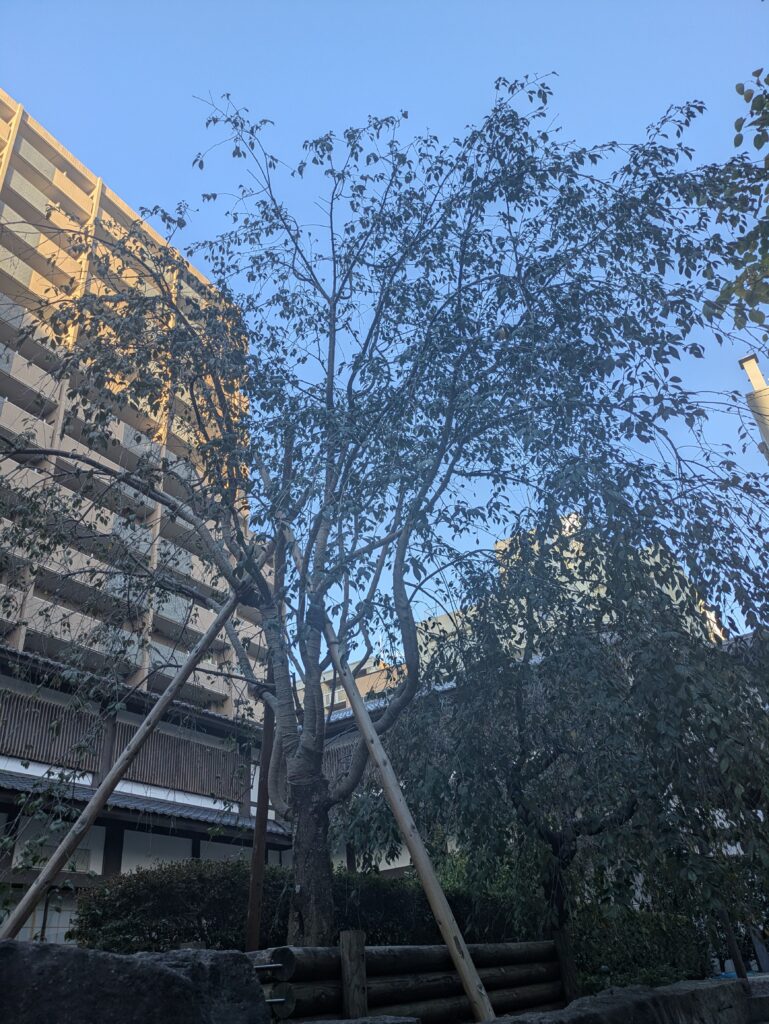
こちらの桜の由来は、996年に遡ります。
花山法王の六角堂御幸により、西国三十三所観音巡礼が始まりました。
花山院の全内大臣が六角堂の桜を見て「世を祈る春の始めの法なれば君か御幸のあとはありけり」と詠んだことから御幸桜と名づけられました。
御幸桜は早咲きの桜で、京都に春の知らせを開花とともに知らせてくれます。
The story of this cherry tree dates back to the year 996.
When Retired Emperor Kazan visited Rokkakudo, it marked the beginning of the famous Saigoku Thirty-three Kannon Pilgrimage.
During his visit, a court noble was deeply moved by the beauty of the cherry blossoms and composed a poem.
From his poem, the tree was named Miyuki-zakura, meaning “the Cherry Tree of the Imperial Visit.”
This early-blooming cherry tree is said to be one of the first to tell Kyoto that spring has arrived.
親鸞聖人像
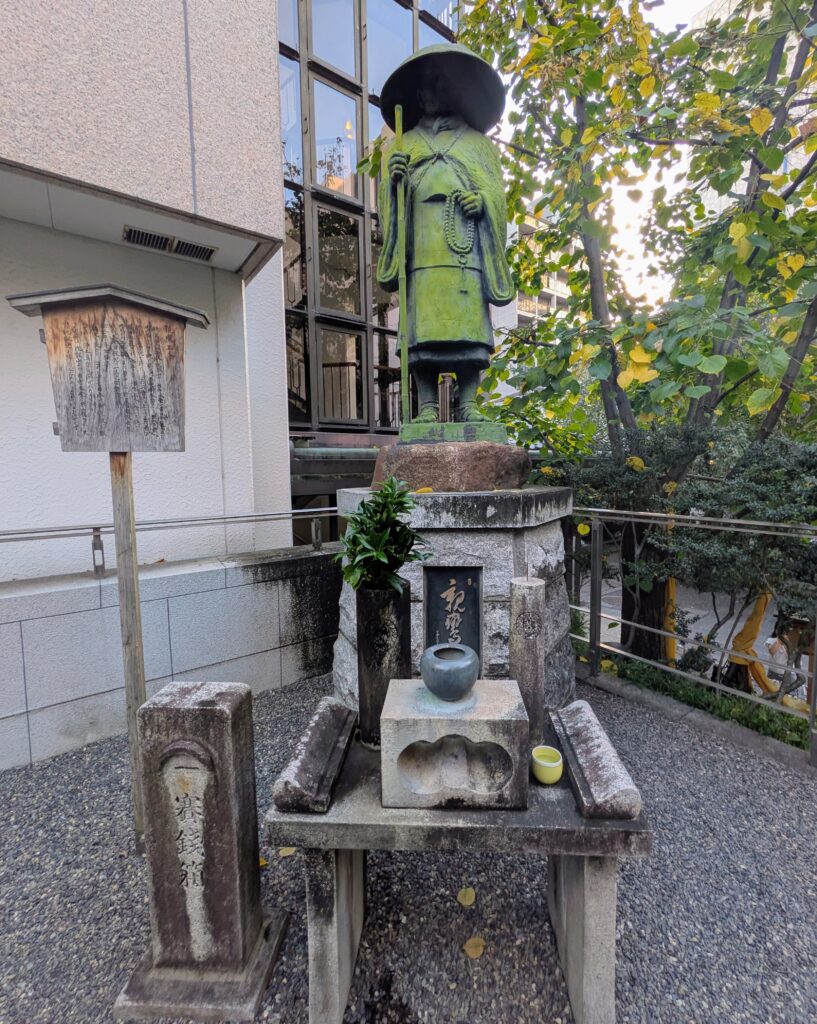
親鸞上人は、比叡山で20年間修行を続けていました。
しかし満足できず、法然上人の教えを求めて下山しようとしていました。
そのとき六角堂にこもって祈り、百日目の夜の夢に聖徳太子が現れてこう言われました。
「あなたは長い間、私の教えを求めて修行してきた。これからは法然上人に仕え、浄土の教えを広めなさい。」
この夢のお告げによって、親鸞上人は法然上人の弟子となり、後に浄土真宗を開くきっかけになったと伝えられています。六角堂はその重要な“転機の地”なんです。
Shinran Shonin, the founder of Jodo Shinshu Buddhism, spent 20 years in rigorous training on Mount Hiei. Yet, he felt something was missing. Intending to leave the mountain in search of Honen Shonin’s teachings, he made a special stop at Rokkakudo Temple.
There, he performed 100 days of prayer and meditation. On the night of the 100th day, he had a dream in which Prince Shotoku appeared and said:
“You have devoted yourself to studying my teachings for many years. Now, serve Honen Shonin and spread the teachings of the Pure Land.”
This divine message led Shinran Shonin to become Honen Shonin’s disciple, eventually giving rise to Jodo Shinshu Buddhism.
Today, Rokkakudo is celebrated as the place of this pivotal moment in his life—a true landmark of spiritual history.
不動明王
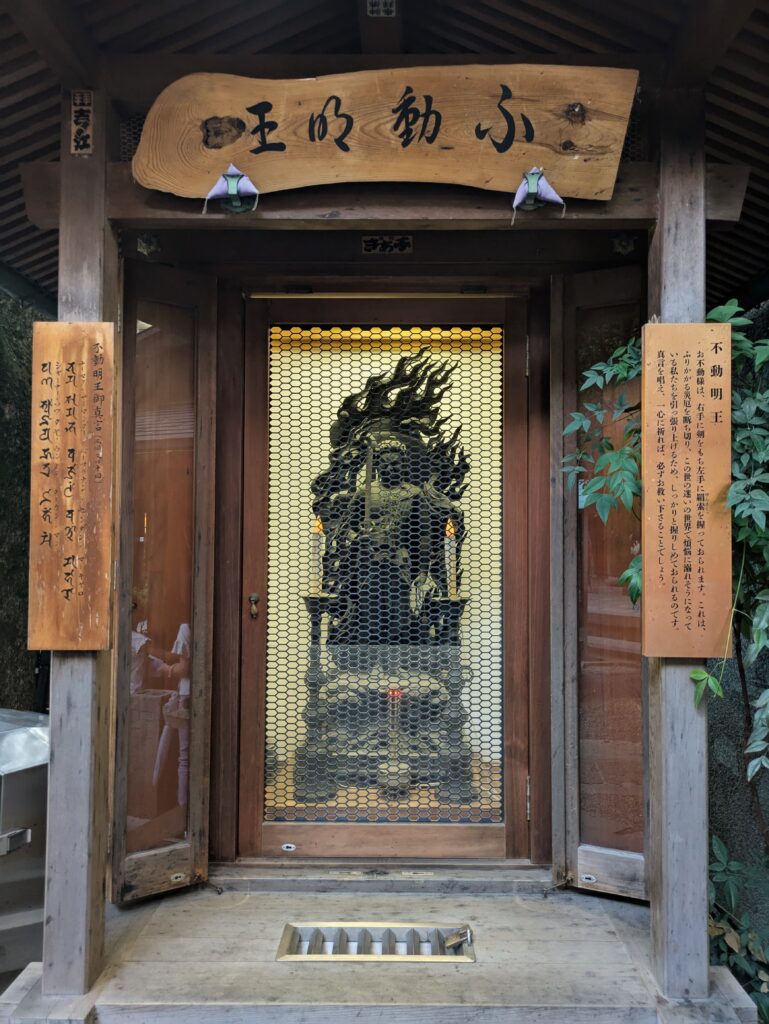
六角堂には、不動明王(ふどうみょうおう)が祀られています。
不動明王は、仏教で「迷いや煩悩を断ち切り、悟りへ導く護法の仏」とされる存在です。
六角堂では、参拝者や修行者が迷わず正しい道を歩めるよう、護法尊として不動明王が置かれています。お寺の本尊ではありませんが、心の迷いや悩みを断ち切る象徴として、多くの人々に親しまれています。
Rokkakudo Temple, you can find a statue of Fudo Myo-o, the Immovable Wisdom King.
In Buddhism, Fudo Myo-o is revered as a guardian who cuts through worries and desires, guiding people toward enlightenment.
The statue serves as a spiritual protector for visitors and practitioners, helping them walk the right path without losing their way.
Though not the temple’s main deity, Fudo Myo-o is cherished as a symbol of overcoming obstacles and inner struggles.
へそ石堂と白鳥
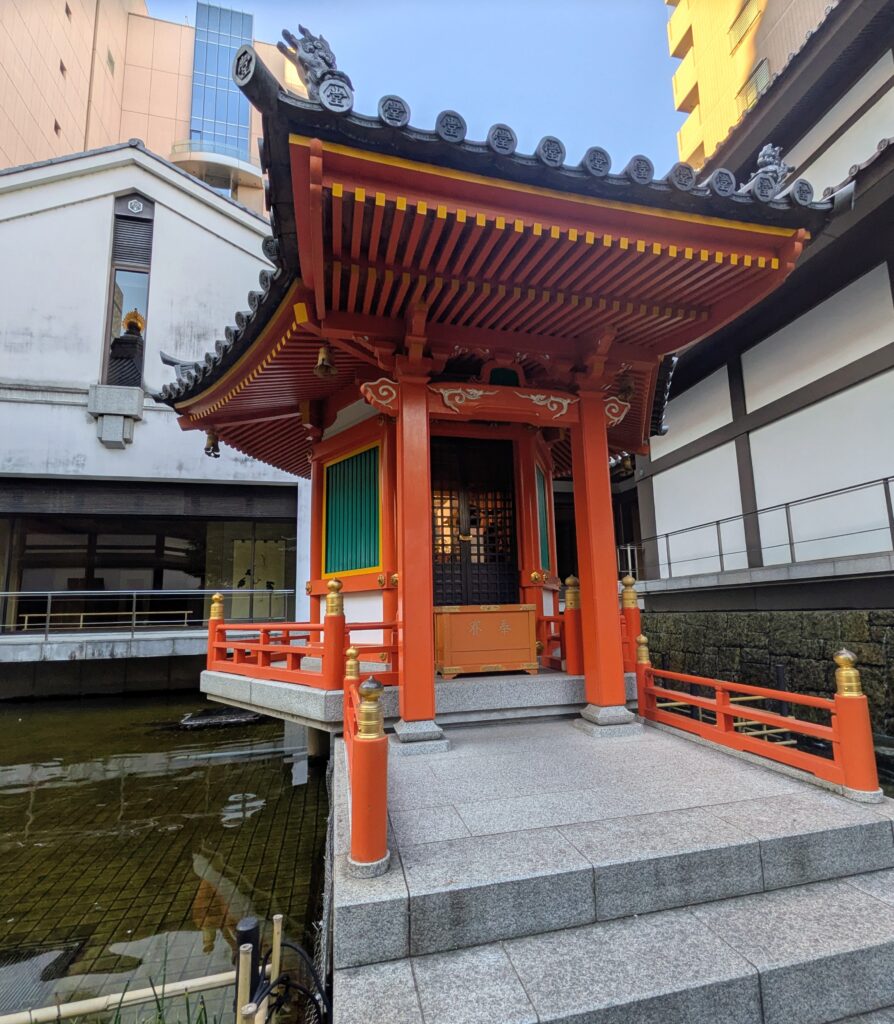
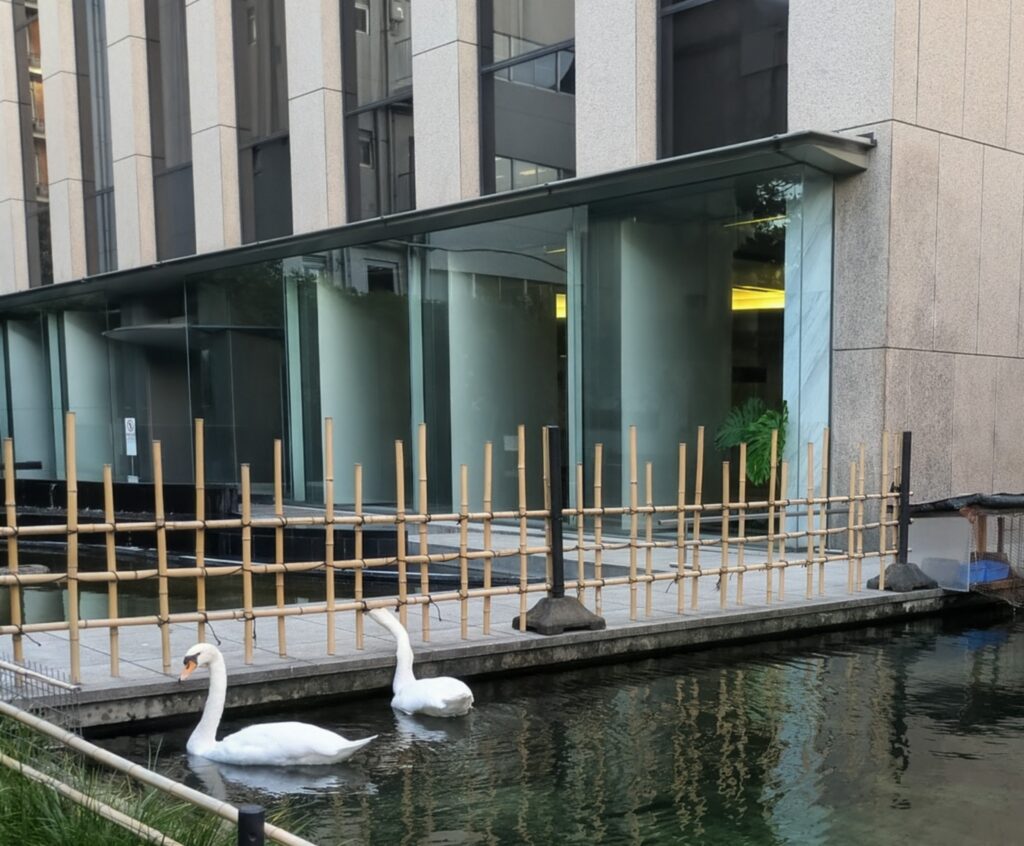
六角堂の奥には、六角形の小さなお堂「へそ石堂」があります。ここに、「へそ石」が祀られています。“京都のへそ”とも呼ばれるこの場所は、古くから都の中心を示す象徴として大切に守られてきました。お堂のそばにいる白鳥は、六角堂のご本尊・如意輪観音の慈悲と清らかさを象徴しています。仏教では白鳥は浄土への導きや悟りを表す聖なる鳥とされ、六角堂の穏やかな池のほとりで静かにその姿を見せる白鳥は、訪れる人に心の安らぎを与えてくれます。また、いけばな発祥の地として知られる六角堂において、白鳥は自然と調和する美しさを表す存在でもあります。
At the back of Rokkakudō stands the small hexagonal Heso-ishi Hall.Known as “the Navel of the City,” this spot has long been cherished as a symbolic heart of the capital.Beside the hall, a graceful swan rests by the pond.The swan represents purity, compassion, and enlightenment — qualities associated with Nyoirin Kannon,the temple’s principal deity of mercy.In Buddhist tradition, swans are considered sacred birds that guide souls toward peace.Here at Rokkakudō, also famous as the birthplace of Ikebana (Japanese flower arrangement),the swan embodies the harmony and refined beauty that the temple has celebrated for centuries.
アクセス方法 Access Information
住所/Address
〒604-8134 京都市中京区六角通東洞院西入堂之前町248
248Donomae-cho, Rokkaku-dori, Nakagyo-ku, Kyoto
開門時間/Hours
6:00~17:00(年中無休・参拝無料)
6:00a.m.-5:00p.m.(Open daily, free admission)
アクセス/Transportation
🚃地下鉄烏丸線・東西線「烏丸御池駅」から徒歩約3分
About a 3-minute walk from Karasuma Oike Station(Subway Tozai or Karasuma line)
🚋阪急京都線「烏丸駅」から徒歩約5分
About a 5-minute walk from Karasuma Station(Hankyu Kyoto Line)
京都駅から地下鉄で約10分
Around 10 minutes by subway from Kyoto Station
四条河原町から徒歩約15~20分
道中には寺町京極商店街、錦市場があり京都らしい街歩きを楽しめます。六角通り沿いにも、スイーツやお漬物、雑貨や服などのお店が並び、ワクワクしながら歩くことができます。途中には小さな公園もあるので、お子様連れの方も一息つけますね。
From Shijo Kawaramachi, it takes about 15-20 minutes on foot.You can stroll through Nishiki Market-Kyoto’s lively food street-then continue along Rokkaku-dori Street, where stylish cafes and small shops line the way. It’s a relaxing urban walk that naturally leads you to the temple.
周辺情報/Nearby Spots
六角堂のすぐ隣には池坊会館があり、いけばなの展示や講習を見学できます。
また、境内を望むスターバックス六角堂店は人気の休憩スポットです。
錦市場からの帰り道に立ち寄るコースとしてもおすすめです。
Next to the temple is the Ikenobo Kaikan, home of the Ikenobo school of Ikebana.
There’s also a Starbucks overlooking the temple-perfect for a short rest after exploring Nishiki Market.
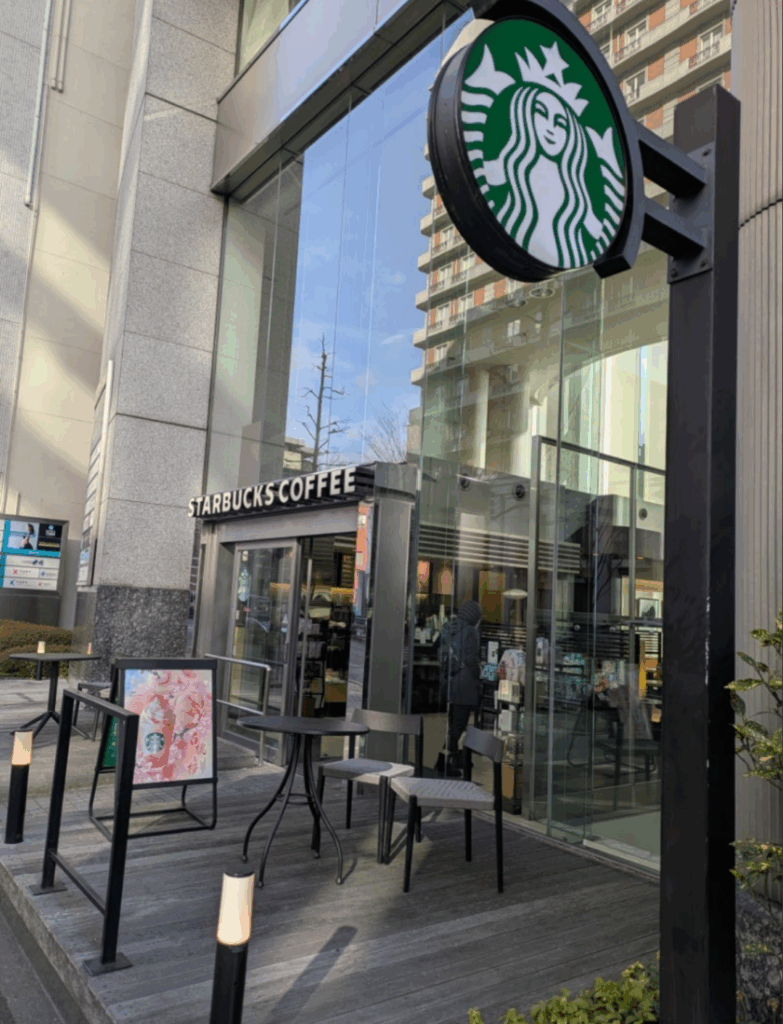
隣接するスターバックスコーヒーで一休み♪
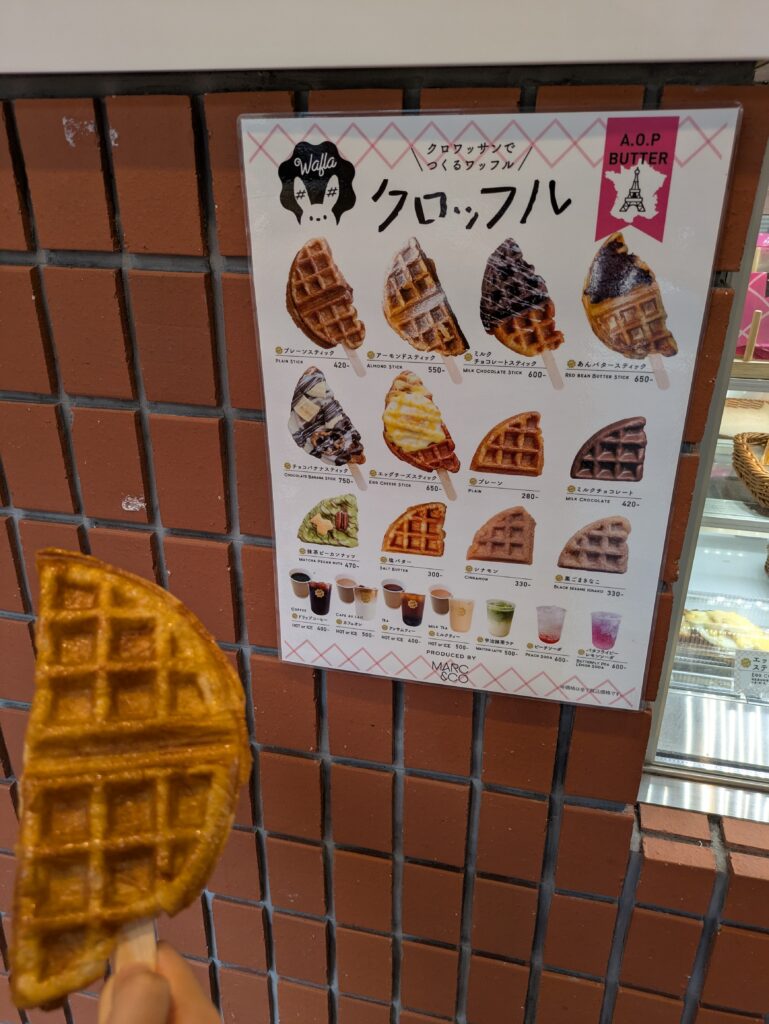
スイーツやカフェがたくさんあります
全国通訳案内士試験 対策ポイント
問1.六角堂は京都市のどの区に位置していますか?
A. 東山区
B.中京区
C.下京区
D.北区
問2.六角堂を建立したと伝えられる人物は誰ですか?
A.空海
B.聖徳太子
C.最澄
D.行基
問3.六角堂は、いけばなの発祥地として知られていますが、その家元は次のうちどれですか?
A.草月流
B.小原流
C.池坊
D.古流
問4.外国人観光客を六角堂に案内する際、「へそ石」についてどのような説明をすればよいでしょうか。
A.京都で最も古い石塔
B.京都の地理的中心を示す石
C.六角堂の創建者をまつる石
D.仏像の台座である
問5.次の日本語を英語で説明しなさい。
『六角堂は京都の中心にある古い寺で、いけばなの発祥地として知られています。』
問6.観光客から”Why is it called Rokkakudo?”と聞かれた場合、どのように答えるのが自然ですか?
解答 1.B 2.B 3.C 4.B
5.六角堂は京都の中心にある古い寺で、いけばなの発祥地としても知られています。
6.Because the main hall has a hexagonal shape. ”Rokkaku” means ”six corners”
in Japanese.
まとめ
六花有働は、歴史・文化・宗教・芸術のすべてが交差する京都の中心。全国通訳案内士試験では、聖徳太子、池坊、いけばな、西国三十三所第18番札所などの語句がキーワードになります。
英語では「birthplace of ikebana」「the center of Kyoto」「hexagonal hall」といった表現を確実に覚えておくと安心です。

コメント